Chapter 11: Road and traffic definitions; vehicle definitions and classes; drivers' duties and responsible road use; care towards vulnerable road users (elderly, disabled, children, pedestrians, cyclists)
Definizioni stradali e di traffico; definizioni e classificazione dei veicoli; doveri del conducente nell'uso della strada - convivenza civile ed uso responsabile della strada; riguardo verso gli utenti deboli della strada (anziani, diversamente abili, bambini, pedoni, ciclisti)
Chapter 11 of the official list (Definizioni stradali e di traffico; definizioni e classificazione dei veicoli; doveri del conducente nell'uso della strada - convivenza civile ed uso responsabile della strada; riguardo verso gli utenti deboli della strada (anziani, diversamente abili, bambini, pedoni, ciclisti)) has 516 true-or-false questions. Here are 12 of them in Italian, with the English translation and the answer.
Practise all 516 questions of this chapter (after unlocking)Start free · launch price €9.90 once (€14.90 from 1 January 2027)
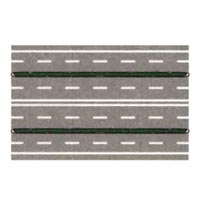
La strada rappresentata è composta da tre carreggiate
The road shown consists of three carriageways
V · True
Sulle strade extraurbane principali è consentito circolare alla stessa velocità massima prevista per le autostrade
On main extra-urban roads it is permitted to travel at the same maximum speed as that set for motorways
F · False
Una zona a traffico limitato è un'area nella quale può essere limitata la circolazione solo di particolari categorie di veicoli
A limited traffic zone is an area in which the movement of only particular categories of vehicles may be restricted
V · True
I motocicli con cilindrata di almeno 150 cm3 possono circolare in autostrada
Motorcycles with an engine capacity of at least 150 cm3 may travel on the motorway
V · True
La corsia non può mai essere attraversata dai pedoni
A lane may never be crossed by pedestrians
F · False
In corrispondenza del passo carrabile è consentita la fermata
Stopping is permitted at a driveway
V · True
Le macchine operatrici possono circolare ad una velocità superiore a 50 km/h
Construction machinery may travel at a speed above 50 km/h
F · False
Tutti i veicoli a motore con tre ruote sono dei motocicli
All three-wheeled power-driven vehicles are motorcycles
F · False
Bisogna lasciare liberi solo gli incroci regolati da semaforo in caso di formazione di code di veicoli
Only junctions controlled by traffic lights must be kept clear when queues of vehicles form
F · False
Per evitare di sporcare la carreggiata, bisogna pulire le ruote del veicolo, prima di uscire da un sentiero fangoso
To avoid making the carriageway dirty, you must clean the vehicle's wheels before coming out of a muddy track
V · True
Quando le persone anziane attraversano la carreggiata bisogna tenere presente che potrebbero non fare adeguata attenzione ai veicoli
When elderly people are crossing the carriageway, you must bear in mind that they might not pay adequate attention to vehicles
V · True
Quando vi sono bambini fermi al semaforo, bisogna tenere presente che possono attraversare la strada solo se accompagnati da un adulto
When there are children waiting at the traffic light, you must bear in mind that they may cross the road only if accompanied by an adult
F · False