Chapter 7: Road markings; markings on obstacles
Segnaletica orizzontale; segni sugli ostacoli
Chapter 7 of the official list (Segnaletica orizzontale; segni sugli ostacoli) has 257 true-or-false questions. Here are 12 of them in Italian, with the English translation and the answer.
Practise all 257 questions of this chapter (after unlocking)Start free · launch price €9.90 once (€14.90 from 1 January 2027)
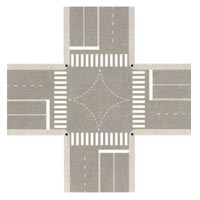
Le strisce di guida in figura, sono strisce curve discontinue (tratteggiate) di colore bianco
The guide lines shown are curved broken (dashed) white lines
V · True
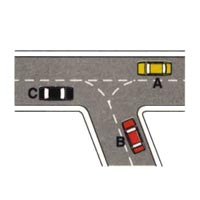
In presenza delle strisce di guida in figura il veicolo A può andare in qualsiasi direzione
With the guide lines shown, vehicle A may go in any direction
V · True
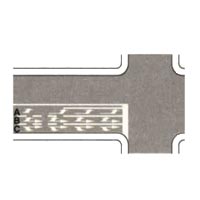
La corsia B rappresentata in figura consente al conducente di proseguire diritto e di svoltare a sinistra
Lane B shown allows the driver to continue straight ahead and to turn left
V · True
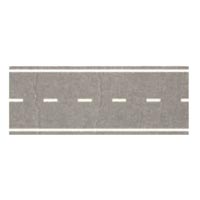
La striscia bianca discontinua in figura consente l'inversione di marcia, in condizioni di sicurezza, se la strada è a doppio senso
The broken white line shown allows a U-turn, in safe conditions, if the road is two-way
V · True
In una strada a doppio senso di circolazione con la segnaletica indicata in figura, fuori dei centri abitati la corsia di sinistra serve per la sosta d'emergenza
On a two-way road with the markings shown, outside built-up areas the left-hand lane is the hard shoulder (emergency lane)
F · False
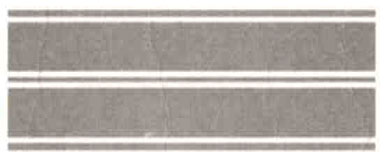
La doppia striscia continua in figura si può trovare ai bordi della strada, per segnalare i margini
The double solid line shown may be found at the edges of the road, to mark the margins
F · False
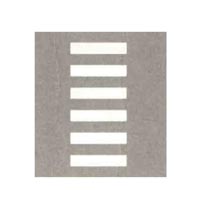
La segnaletica in figura indica un'area riservata ai soli pedoni disabili
The markings shown indicate an area reserved only for disabled pedestrians
F · False
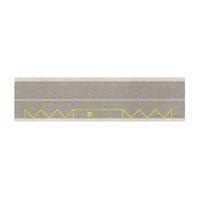
La segnaletica in figura non consente alle autovetture di circolare all'interno dell'area segnata
The markings shown do not allow cars to drive within the marked area
F · False
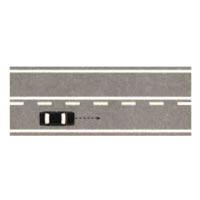
Rispetto al veicolo che procede nel senso della freccia, la striscia discontinua in figura si trova subito dopo una curva
With respect to the vehicle travelling in the direction of the arrow, the broken line shown is located just after a bend
V · True
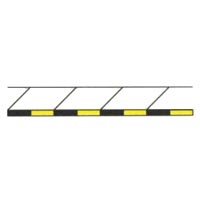
I segni gialli e neri in figura dipinti sul bordo del marciapiede consentono la fermata
The yellow and black markings shown, painted on the kerb, allow stopping
V · True
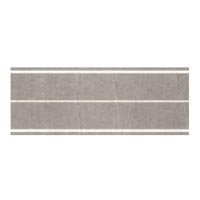
La striscia di mezzo in figura consente il sorpasso senza superarla, purché non vi siano motivi che lo vietino
The centre line shown allows overtaking without crossing it, provided there are no reasons prohibiting it
V · True
Nella carreggiata a doppio senso di circolazione le strisce di mezzo in figura dividono i sensi di marcia
On the two-way carriageway, the centre lines shown divide the directions of travel
V · True